
Anti-Inflammatory Foods for Everyday Wellness
A Dietitian’s Guide to Reducing Inflammation Naturally Through Simple Daily Choices
Inflammation is a natural and essential part of the body’s healing process—but when it becomes chronic, it can quietly fuel symptoms like fatigue, bloating, stubborn weight gain, joint stiffness, skin issues, headaches, and hormone imbalance.
The good news? Your daily food choices have the power to dial down inflammation and create a foundation for long-lasting wellness.
Below is a practical, approachable guide to help you understand what inflammation is, why it matters, and how to naturally reduce it through nutrient-rich, delicious foods.
What Is Inflammation—and Why Does It Matter?
There are two types of inflammation:
Acute inflammation
This is the body’s immediate response to an injury or infection. It’s helpful and short-lived.
2. Chronic inflammation
This is long-term, low-grade inflammation that occurs when the immune system stays activated. Over time, it can contribute to:
Hormonal imbalances
Insulin resistance
Weight gain or metabolic challenges
Digestive issues and bloating
Anxiety or mood changes
Joint pain
Skin concerns like eczema or acne
Lifestyle factors such as stress, poor sleep, environmental toxins, and certain foods can worsen chronic inflammation. But food can also be one of the strongest tools to calm it.
Top Anti-Inflammatory Foods to Add to Your Routine
1. Fatty Fish (Salmon, Sardines, Mackerel)
Rich in omega-3 fatty acids (EPA and DHA), these help reduce inflammatory markers and support brain, heart, and hormone health.
Try this:
A salmon bowl with quinoa, arugula, roasted veggies, and a lemon-tahini drizzle.
2. Berries (Blueberries, Raspberries, Strawberries)
Berries are loaded with antioxidants—especially anthocyanins—which help lower oxidative stress.
Try this:
Blend into smoothies or add to Greek yogurt with chia seeds.
3. Colorful Vegetables (Leafy Greens, Bell Peppers, Carrots, Squash)
The more colorful your plate, the broader the spectrum of anti-inflammatory phytonutrients you get.
Try this:
Mix roasted vegetables with olive oil, garlic, and herbs for an easy weeknight side.
4. Extra Virgin Olive Oil
Packed with polyphenols and oleocanthal, EVOO has anti-inflammatory effects comparable to low-dose ibuprofen.
Try this:
Use as your main cooking oil or drizzle over salads and bowls.
5. Herbs & Spices (Turmeric, Ginger, Cinnamon, Garlic)
These culinary staples contain compounds like curcumin and gingerol that calm inflammatory pathways.
Try this:
Simmer turmeric with coconut milk and cinnamon for a soothing golden latte.
6. Nuts & Seeds (Walnuts, Almonds, Flaxseed, Chia)
A great source of omega-3s, fiber, and antioxidants.
Try this:
Add chia seeds to oatmeal or toss walnuts onto salads.
7. Fermented Foods (Yogurt, Kimchi, Kefir, Sauerkraut)
A healthy gut microbiome = less systemic inflammation. Fermented foods naturally support gut health and immune balance.
Try this:
Add a spoonful of kimchi or sauerkraut to a grain bowl.
8. Green Tea
Rich in EGCG, a powerful antioxidant known for reducing inflammation and supporting metabolic health.
Try this:
Swap one daily coffee for green tea or matcha.
Advanced Nutrition for Inflammation: Polyphenols, Curcumin, and Resveratrol
While foundational nutrition—fruits, vegetables, healthy fats, and balanced meals—plays a major role in reducing everyday inflammation, certain bioactive compounds offer targeted therapeutic effects. These include polyphenols, curcumin, and resveratrol, three of the most studied nutrients for modulating inflammatory pathways and supporting whole-body wellness.
Below is a deeper look at how each works, the research behind them, and how you can incorporate them into a daily anti-inflammatory lifestyle.
What Are Polyphenols?
Polyphenols are naturally occurring compounds found in plant foods. They act as antioxidants, cellular protectors, and inflammation modulators.
How Polyphenols Reduce Inflammation
Polyphenols work on multiple levels in the body:
Reduce oxidative stress by neutralizing free radicals
Downregulate NF-κB, a key inflammatory signaling pathway
Support gut microbiome diversity, which lowers systemic inflammation
Improve endothelial function, lowering cardiovascular risk
Enhance metabolic flexibility, improving insulin signaling
Polyphenols also upregulate Nrf2, a master antioxidant switch inside cells that turns on the body’s own detoxification and anti-inflammatory defenses.
Top Polyphenol-Rich Foods
Berries
Green tea and matcha
Dark chocolate (70%+)
Extra-virgin olive oil
Herbs like rosemary, oregano, and sage
Red onions and purple cabbage
Grapes and pomegranate
Aim for a variety of colors—this increases your polyphenol exposure without supplements.
Curcumin: The Anti-Inflammatory Powerhouse
Curcumin is the active compound in turmeric and one of the most researched natural anti-inflammatory agents.
How Curcumin Supports Inflammation Pathways
Curcumin has been shown to:
Lower NF-κB activation, reducing inflammatory cytokines
Decrease CRP (C-reactive protein)
Improve joint pain and mobility
Support gut lining integrity, reducing intestinal inflammation
Act as an antioxidant, preventing cell damage
Think of curcumin as a natural regulator that helps quiet an overactive inflammatory response.
Bioavailability Matters
Curcumin is notoriously poorly absorbed—but you can increase its effectiveness by combining it with:
Black pepper (piperine) → enhances absorption up to 20x
Healthy fats like olive oil or coconut milk
Liposome or phytosome supplements for therapeutic use
How to Use Curcumin Daily
Add turmeric to soups, stews, eggs, and curries
Sip golden milk with turmeric + black pepper
Consider a clinically standardized supplement for chronic inflammation, joint pain, or metabolic support
Resveratrol: The Cellular Protector
Resveratrol is a polyphenol concentrated in grapes, red wine, peanuts, and berries, known for its role in longevity research.
How Resveratrol Reduces Inflammation
Resveratrol works through several mechanisms:
Activates SIRT1, a longevity gene linked to reduced inflammation and improved cellular aging
Reduces inflammatory cytokines including IL-6 and TNF-α
Supports mitochondrial function, improving energy at the cellular level
Improves insulin sensitivity, lowering inflammatory load
Acts as an antioxidant, decreasing oxidative stress
Because it supports both inflammation and energy production, it's especially helpful for:
Metabolic syndrome
Chronic low-grade inflammation
Brain health and cognitive support
Hormone balance (via mitochondrial health)
Food Sources of Resveratrol
Red grapes
Blueberries
Cranberries
Peanuts
Red wine (in moderation)
Supplements may be considered in certain therapeutic situations, but whole-food sources provide additional synergistic nutrients.
Polyphenols & Inflammation: The Research Connection
Research consistently shows that diets rich in polyphenols:
Reduce markers of inflammation (CRP, IL-6, TNF-α)
Improve metabolic health
Lower oxidative stress
Support gut microbiome balance
Reduce the risk of chronic disease
Polyphenols don’t act like a pharmaceutical—they gently modulate pathways that influence immunity, hormones, metabolism, and cellular repair.
In other words: they help your body restore balance naturally.
How to Incorporate These Compounds Into Your Daily Routine
Here’s a simple daily blueprint to supercharge your anti-inflammatory lifestyle:
Morning
Matcha or green tea
Berries with chia or flax
Turmeric scrambled eggs or golden milk
Afternoon
Big salad with colorful vegetables + olive oil
A handful of walnuts or almonds
Evening
Polyphenol-rich vegetables (broccoli, greens, peppers)
Optional: small glass of red wine (if desired)
Turmeric roasted vegetables or chicken
Daily Herbs & Spices
Cinnamon
Ginger
Garlic
Oregano
Turmeric
Black pepper
These foods and botanicals work synergistically—together they create a powerful anti-inflammatory environment inside the body.
The Bottom Line
Polyphenols, curcumin, and resveratrol offer profound benefits for inflammation, metabolism, gut health, and longevity. Adding them into your meals isn’t just “healthy”—it’s a strategic way to reduce chronic inflammation at the cellular level.
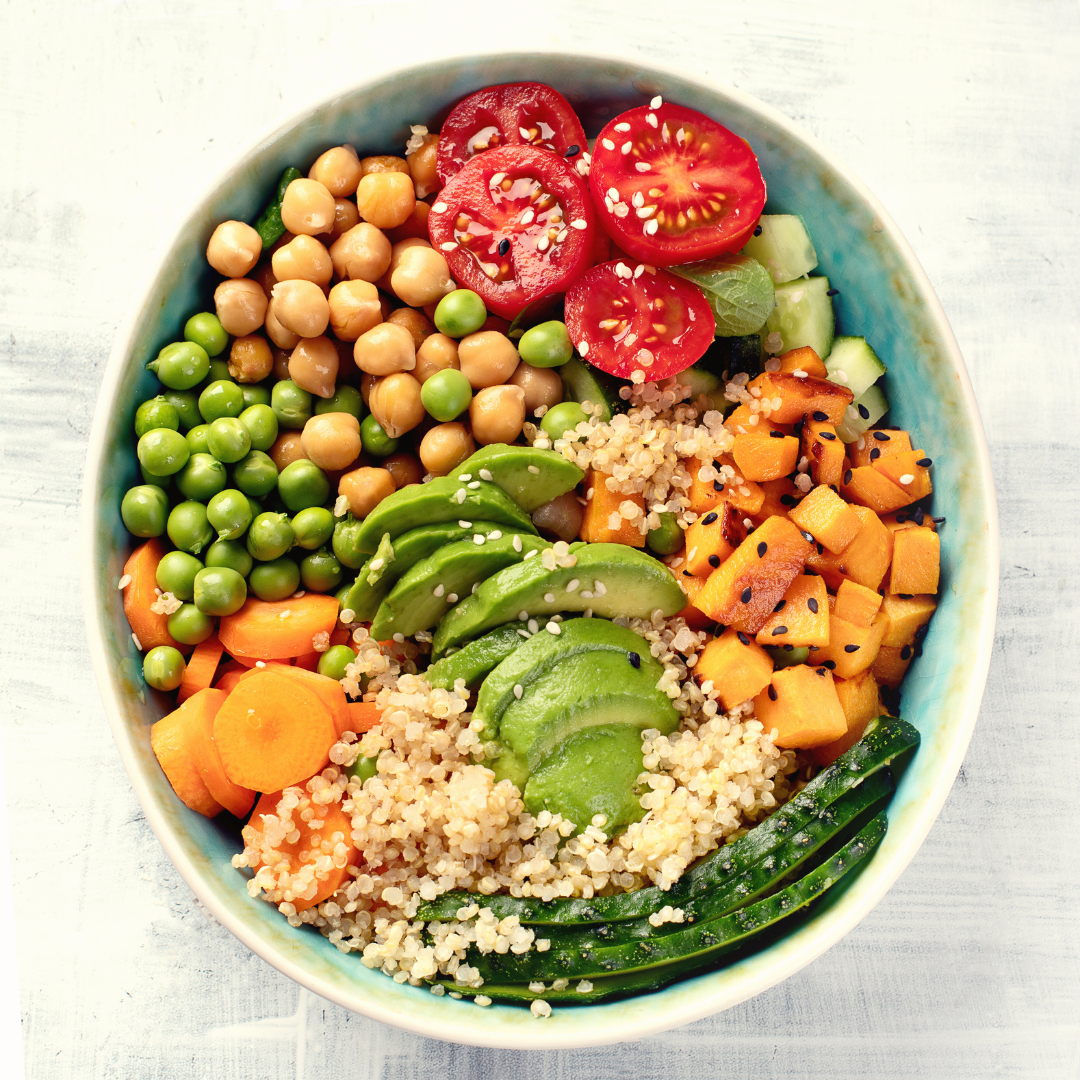
Foods That May Increase Inflammation
Not every food affects everyone the same way, but research links these foods with higher inflammation in the body:
Highly processed foods
Refined carbohydrates (white bread, pastries)
Excess added sugar
Fried foods
Processed meats
Excess alcohol
Industrial seed oils (corn, soybean, canola in large amounts)
You don’t need to eliminate these forever, but reducing them can make space for nutrient-rich options that nourish and rebalance your body.
Simple Ways to Eat Anti-Inflammatory Every Day
1. Build a Colorful Plate
Aim for at least 3 colors at every meal. More colors = more antioxidants.
2. Prioritize Whole Foods
Think: foods with one ingredient—vegetables, fruits, proteins, whole grains, herbs.
3. Use Herbs and Spices Generously
They add flavor and incredible anti-inflammatory benefits.
4. Add Healthy Fats
Olive oil, avocado, nuts, and seeds help regulate inflammation and support hormone health.
5. Support Your Gut
Include fiber-rich foods and fermented foods daily.
6. Focus on Blood Sugar Balance
Stable blood sugar naturally reduces inflammation. Try:
Protein at every meal
High-fiber carbs
Healthy fats
Avoiding skipping meals
7. Stay Hydrated
Even mild dehydration can increase inflammatory signals.
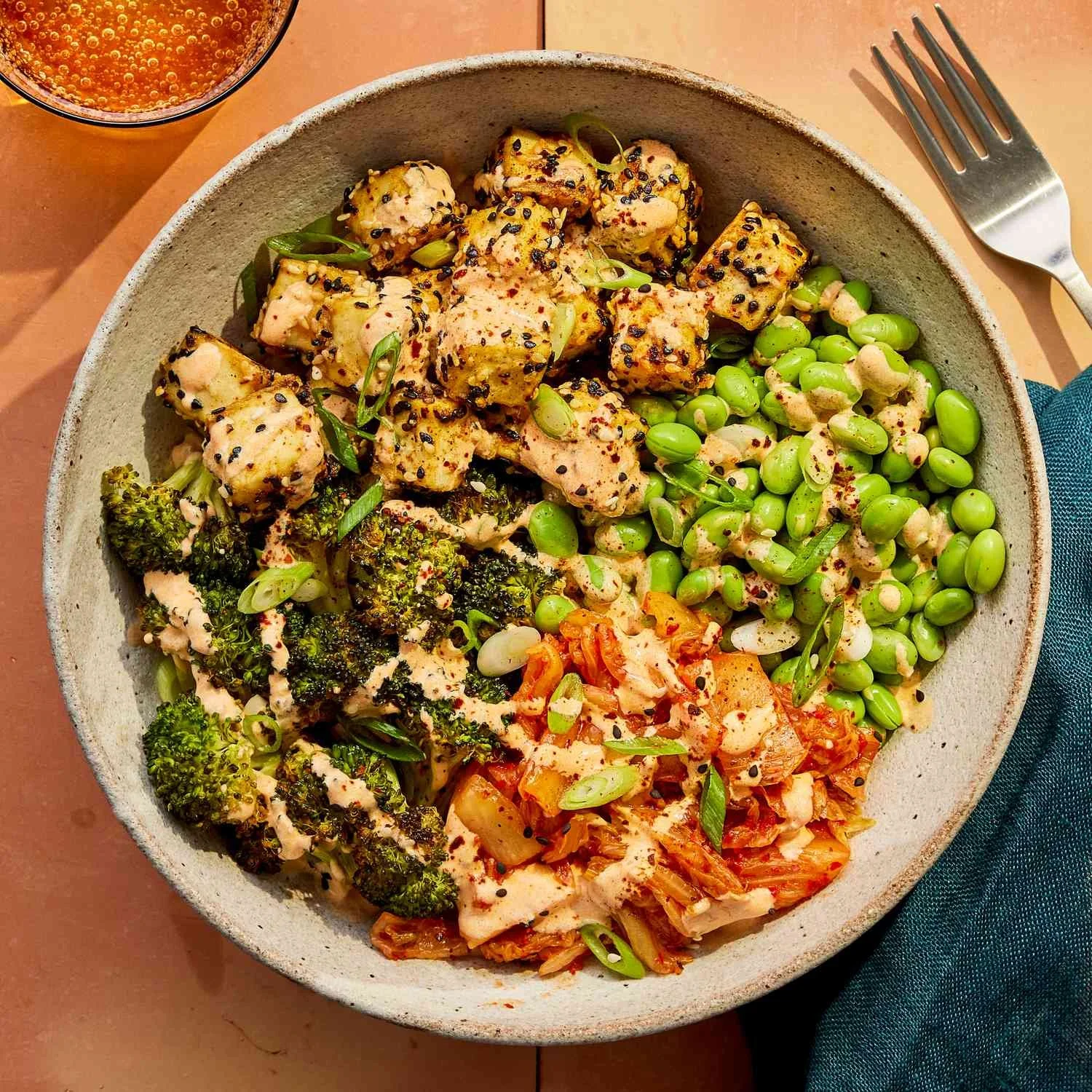
Sample Anti-Inflammatory Day of Eating
Breakfast
Berry chia yogurt bowl with walnuts and cinnamon
Lunch
Salmon and quinoa bowl with roasted vegetables and olive oil
Snack
Green tea + apple slices with almond butter
Dinner
Turmeric-ginger chicken stew with leafy greens
Optional Evening
Golden milk or chamomile tea
The Bottom Line
Supporting your body with anti-inflammatory foods doesn’t require a strict diet or complicated rules. It’s about:
Adding more whole, colorful foods
Nourishing your gut
Keeping blood sugar stable
Leaning into herbs, spices, and healthy fats
Small daily choices create powerful long-term change.
If you’re ready to build a more personalized anti-inflammatory nutrition plan—or want guidance for hormone balance, digestive support, or metabolic wellness—I’m here to help.
Ready to reduce inflammation, balance your hormones, and feel energized again?
Book a 1:1 nutrition consultation and get a personalized plan built around your body, your lifestyle, and your goals.
